
Emergency Lighting Installation: Complete Guide for Safe & Compliant Setup

If you’re planning a building setup or upgrading your safety system, understanding emergency lighting installation is essential. In the UK, emergency lighting is not just an optional feature it’s a legal requirement that ensures people can safely exit a building during power failures or emergencies.
A proper emergency lighting installation ensures that escape routes remain visible, hazards are identified, and occupants can evacuate safely. In this guide, you’ll learn everything about installation, requirements, best practices, and how to stay compliant with UK regulations.
What is Emergency Lighting Installation?
Emergency lighting installation refers to the process of installing lighting systems that automatically operate when the main power supply fails.
These systems are designed to:
Illuminate escape routes
Highlight exits
Reduce panic during emergencies
Support safe evacuation
A well-planned installation is the foundation of a compliant emergency lighting system.
Types of Emergency Lighting Systems
Before starting emergency lighting installation, it’s important to understand the types of systems available.
1. Maintained Emergency Lighting
Always on (normal + emergency mode)
Common in public places like cinemas
2. Non-Maintained Lighting
Only activates during power failure
Common in workplaces
3. Sustained Lighting
Combination of maintained and non-maintained systems
Choosing the right type depends on your building requirements.
Emergency Lighting Installation Requirements UK
In the UK, emergency lighting installation must comply with strict standards.
Key requirements include:
Proper placement along escape routes
Adequate brightness levels
Automatic activation during power failure
Regular testing and maintenance
These requirements are defined by:
BS 5266
Fire Safety Order 2005
Workplace safety regulations
If you want to ensure your system is installed and tested correctly, it’s always better to rely on professionals. If you need this service in your location, you can visit lighting testing service west london for expert assistance and compliance support.
Emergency Lighting Design Considerations
Good installation starts with proper design.
Key design factors include:
Building layout
Exit routes
High-risk areas
Staircases and corridors
Proper design ensures full coverage and avoids dark spots during emergencies.
Installation Process Step-by-Step
Here’s how a typical emergency lighting installation works:
Step 1: Site Assessment
Identify escape routes
Assess risk areas
Step 2: System Design
Choose lighting type
Plan fixture locations
Step 3: Installation
Install lights and wiring
Connect to power supply
Step 4: Testing
Conduct initial system test
Ensure all lights work
Step 5: Documentation
Record installation details
Prepare compliance records
Emergency Lighting Test Frequency
After installation, regular testing is required.
Emergency lighting should be tested:
Monthly (function test)
Annually (full duration test)
You can learn more in our guide on Emergency Lighting Test Frequency, which explains testing schedules in detail.
Emergency Lighting Wiring Basics
Wiring is a critical part of installation.
Key points include:
Permanent live connection
Battery backup system
Safe circuit design
Improper wiring can cause system failure, so it must be handled by professionals.
UK Government Guidance on Installation
To ensure compliance, always follow official UK guidance. Government fire safety regulations clearly state that emergency lighting must be properly installed to support safe evacuation.
Additionally, the Health and Safety Executive provides guidance on workplace electrical safety, ensuring systems like emergency lighting are correctly installed and maintained.
If you want to avoid installation mistakes and ensure full compliance, you can check lighting testing west london for reliable and professional services.
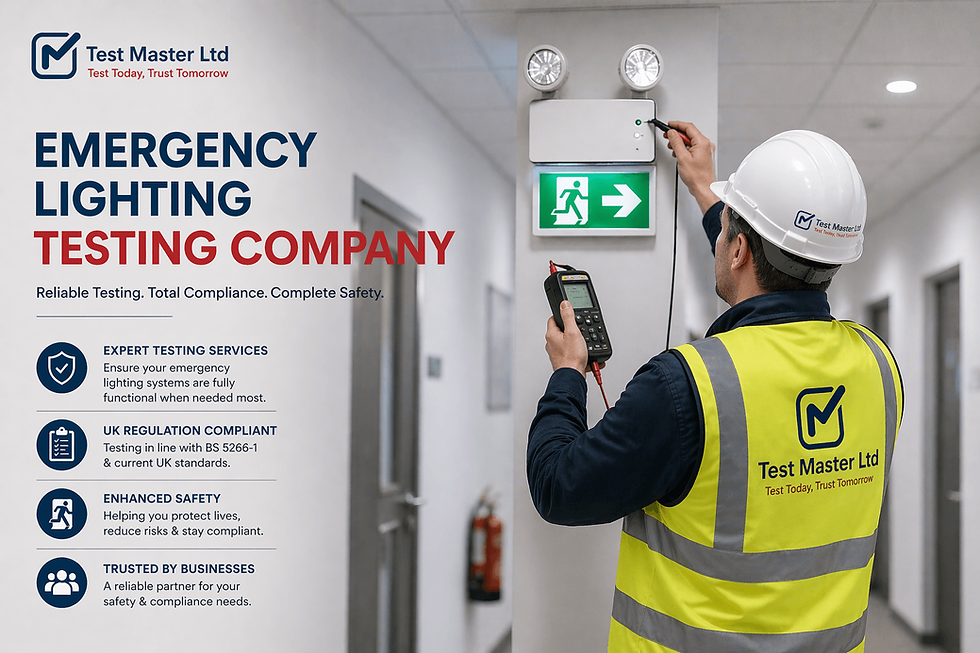
Role of Test Master Ltd in Installation
Professional installation makes a big difference in system reliability.
Test Master Ltd offers:
Complete installation services
Testing and inspection
Compliance support
Certification
With experienced engineers, Test Master Ltd ensures your system meets all UK standards.
Choosing Test Master Ltd means your installation is done right from the start.
Common Installation Mistakes
Avoid these common mistakes:
Incorrect light placement
Poor wiring setup
Skipping testing
Not following regulations
These issues can lead to system failure and legal problems.
Benefits of Proper Installation
A correct emergency lighting installation ensures:
Full compliance
Improved safety
Reliable performance
Long-term cost savings
It’s always better to invest in proper installation than fix problems later.
FAQ
1. What is emergency lighting installation?
It is the process of installing lighting systems that activate during power failure.
2. Is emergency lighting installation required in the UK?
Yes, it is legally required for most commercial and public buildings.
3. Who can install emergency lighting?
Qualified professionals should handle installation to ensure compliance.
4. How often should emergency lighting be tested?
Monthly and annual testing are required after installation.
5. What happens if installation is incorrect?
It can lead to system failure, safety risks, and legal penalties.
Final Thoughts
Emergency lighting installation is the foundation of a safe and compliant building. From design to installation and testing, every step plays a crucial role.
By following UK regulations, avoiding common mistakes, and working with professionals, you can ensure your system is always ready when it’s needed most.


Comments